Arabic-first is a strategy, not a translation job.
The demand for Arabic content is there. The quality isn't. That gap is the biggest creative opportunity in this region.
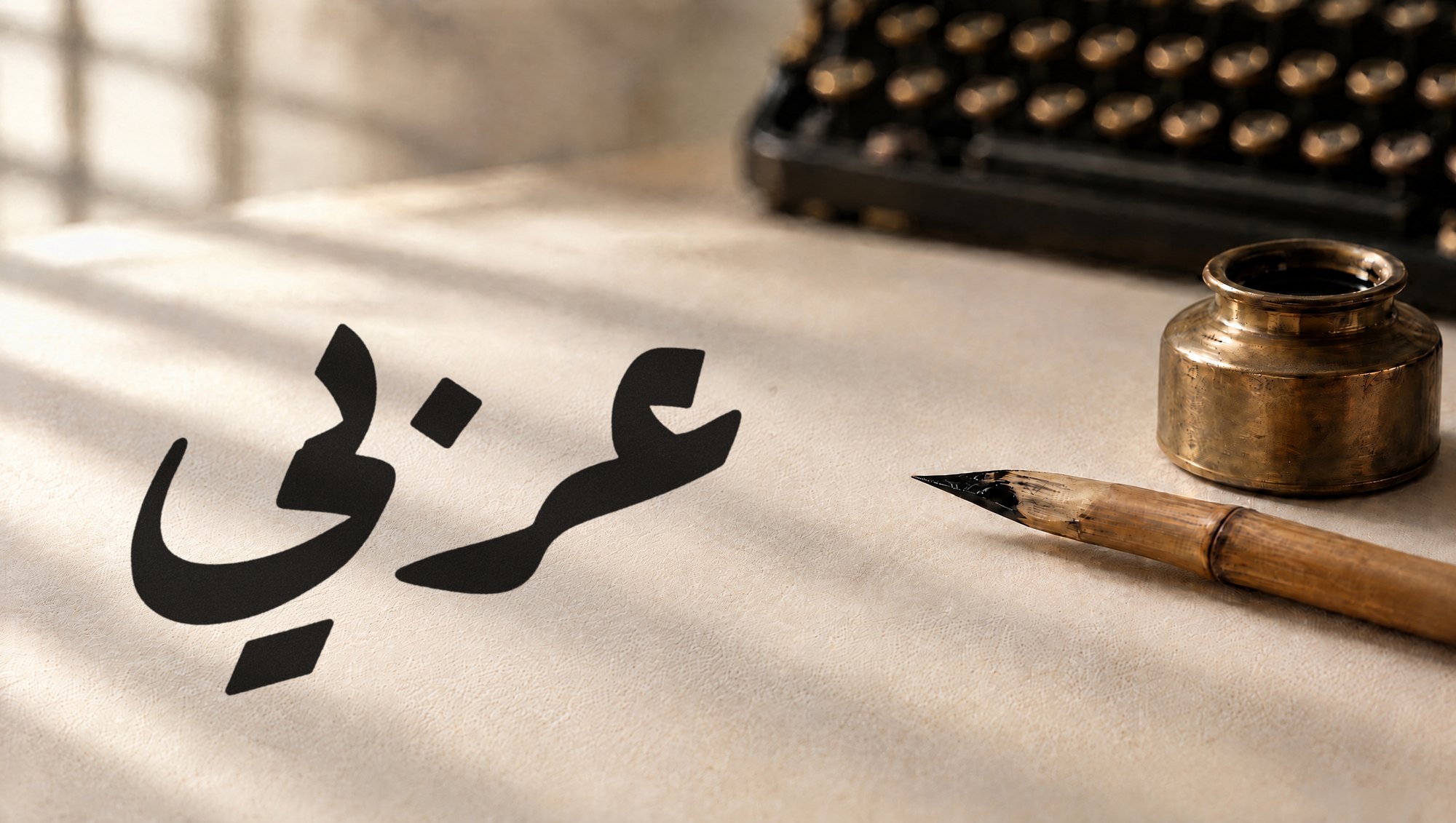
Too many briefs in this region still end with the same line: "and we'll adapt it for Arabic."
That line tells you everything about where Arabic sits in the plan. Last. After the idea, after the script, after the approvals. Arabic becomes a production task, handled at the end, often in a rush.
The audience is telling us something different
In the Arab Youth Pulse Survey by Ipsos and the Abu Dhabi Arabic Language Centre, 71% of young Arabs across ten countries said they prefer media in Arabic. But 67% said Arabic content feels outdated compared with its English equivalent.
The demand is there. The quality isn't. That gap is the biggest creative opportunity in this region.
Online, the gap is even starker. Arabic is spoken by more than 400 million people, yet W3Techs finds it on just 0.6% of websites whose language it can identify. For a brand, that means very little competition for attention in Arabic, and very few quality sources for people, search engines and AI tools to draw on.
Translation starts with someone else's idea
Translation takes an idea born in English and asks Arabic to carry it. Sometimes it works. Usually, the meaning survives and the magic doesn't.
Arabic-first starts somewhere else entirely: with an insight that lives inside the language and the culture. L'Oréal Paris's Sit Al Bait is the clearest recent example. By adding two letters, "Al", to sit bait, "housewife", it became sit al bait, "the woman of the house", a title of leadership. That idea cannot be translated from English, because it never existed in English. It won at Cannes this year for exactly that reason.
There is no single "Arabic"
Arabic-first also means choosing which Arabic. Modern Standard Arabic reads as formal and institutional. Khaleeji, Egyptian and Levantine dialects each carry their own humour, warmth and credibility. KFC's Om Badr worked because a Saudi home cook spoke to Saudis in her own voice, not because a brand found the right translation.
A campaign written in one "neutral" Arabic for the whole region is often understood everywhere and loved nowhere.
What Arabic-first looks like in practice
- Brief in Arabic, or at least think in it from day one. Put Arabic-speaking strategists and writers in the room when the idea is born, not when the script is finished.
- Choose the dialect deliberately. Decide who you're talking to before you decide how to say it.
- Treat culture as context, not a calendar. Ramadan, National Days and local humour aren't templates to drop in; they're living moments with their own rules.
- Budget Arabic as a primary market, not an adaptation line. If it's last in the budget, it'll be last in quality.
AI makes this more urgent, not less
AI translation is now instant and almost free, which makes generic Arabic easier to produce than ever. That's exactly why it will be everywhere, and why it will stop working. Meanwhile, AI search tools rely on the content that exists, and in Arabic, quality content is scarce. The brands that publish thoughtful, original Arabic now will be the ones these tools find, quote and recommend.
Arabic-first isn't a translation choice. It's a decision about which audience you put first, and audiences in this region can always tell.